
Exploring Acupuncture as a Treatment for Parkinson's Disease - A Report
Explore a case report on acupuncture for Parkinson's, highlighting its potential benefits in managing symptoms and improving quality of life.

If you're curious about how acupuncture might help with Parkinson's Disease (PD), you're not alone. A recent case report published in Frontiers of Neurology (2024) dives into this topic, offering an intriguing glimpse into how traditional Chinese medicine could complement conventional treatments.
Understanding Parkinson's Disease
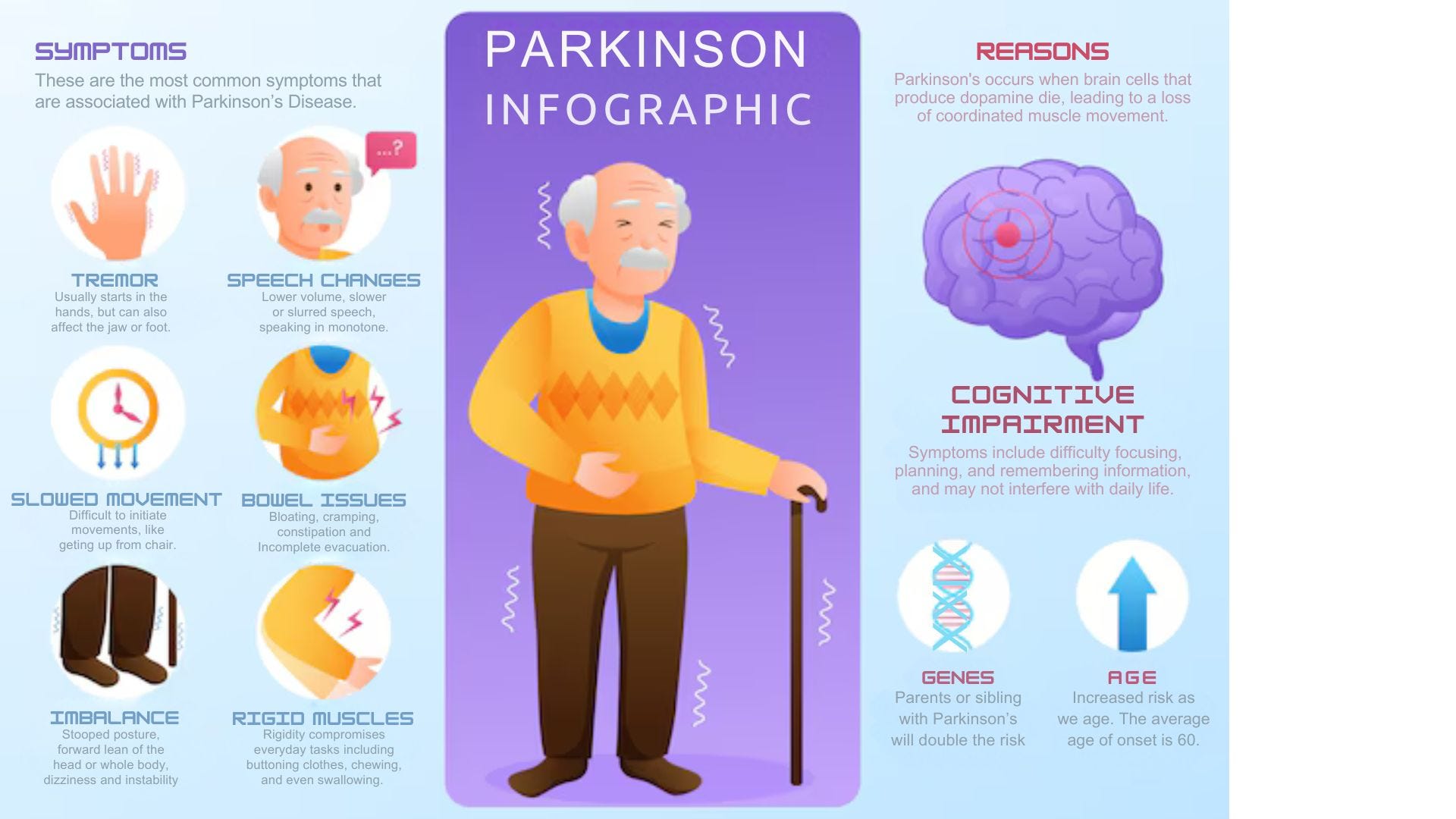
Parkinson's Disease is a progressive neurological condition that often brings tremors, stiffness, and slowed movements. Globally, around 10 million people live with PD, and this statistic is going to explode as the silver tsunami descends upon us now.
While medications are the standard treatment, they often come with side effects and reduced effectiveness over time. This has led many patients and their families to explore complementary therapies—like acupuncture—to manage symptoms more holistically.
Also read: Brett Favre’s Parkinson’s Disease Journey: His ‘Toughest Game’ Yet
Why Acupuncture?
In places like China, acupuncture is commonly used alongside standard PD medications. Elsewhere in the world, acupuncture is usually not recommended by neurologists. Emerging studies suggest acupuncture can improve motor function, reduce symptoms, and enhance overall quality of life in PD patients.
A Real-Life Case Study
This particular case follows a 75-year-old farmer from Hubei, China, diagnosed with Parkinson's Disease a year before he sought acupuncture treatment. Initially, he didn’t pursue any treatment—no medication, no surgical intervention like Deep Brain Stimulation (DBS). But as his symptoms worsened, he turned to acupuncture at a hospital in Wuhan.
His Symptoms Included:
Limb tremors
Stiffness from neck to back
Fatigue
Difficulty swallowing
Drooling
Night cramps
Dry mouth
Constipation
Assessment Tools Used
Before and after treatment, several assessments were carried out, including:
Unified Parkinson’s Disease Rating Scale (UPDRS): Measures symptom severity.
Parkinson’s Disease Questionnaire (PDQ-39): Evaluates quality of life.
Non-Motor Symptoms Scale (NMSS): Assesses non-motor complications.
Hamilton Anxiety Scale (HAMA): Tracks anxiety levels.
Berg Balance Scale: Assesses balance and fall risk.
Walking Tests: Measures stride length and walking speed.
Also read: Does Hyperbaric Oxygen Therapy Always Make You Tired?
Acupuncture Treatment Plan

The patient underwent acupuncture three times a week for four weeks, with each session lasting about 45 minutes. Here’s a breakdown of the focus areas:
1. Calming the Nervous System
Si Shen Chong
GV 24 (Shen Ting)
EX-HN 3 (Yin Tang)
LI 4 (He Gu)
SP 6 (San Yin Jiao)
LR 3 (Tai Chong)
2. Addressing Constipation
ST 25 (Tian Shu)
CV 4 (Guan Yuan)
ST 37 (Shang Ju Xu)
3. Managing Lower Limb Tremors
GB 34 (Yang Ling Quan)
SP 9 (Yin Ling Quan)
GB 39 (Xuan Zhong)
4. Managing Upper Limb Tremors
LI 11 (Qu Chi)
LI 10 (Shou San Li)
5. Improving Vestibular Function
GV 17 (Nao Hu)
GB 19 (Nao Kong)
GV 14 (Da Zhui)
GV 8 (Jin Suo)
GV 4 (Ming Men)
6. Enhancing Balance
BL 40 (Wei Zhong)
BL 57 (Cheng Shan)
Results After 4 Weeks
After completing his acupuncture sessions, the patient reported notable improvements:
Reduced stiffness in the neck and back
Improved mood and confidence
Less drooling
No more choking episodes or night cramps
Improvements in Scores:
UPDRS: 17-point reduction
PDQ-39: 11-point improvement
NMSS: Enhanced mood, reduced fatigue, and resolved gastrointestinal issues
HAMA: Anxiety levels dropped by 5 points
30m Walking Test: Increased stride length and walking speed
Also read: 9 Essential Steps to Prepare for Hyperbaric Oxygen Therapy at Home
Beyond Medications: A Holistic Approach
Managing Parkinson's effectively often requires more than just medication. Here are three key complementary strategies:
Exercise: Goal-oriented physical activities can enhance brain plasticity, motor control, and cognitive function.
Cognitive Behavioral Therapy (CBT): Helpful in managing anxiety, depression, and overall emotional well-being.
Acupuncture: As seen in this case study, acupuncture can address both motor and non-motor symptoms effectively.
Final Thoughts
While acupuncture isn’t a standalone cure for Parkinson’s Disease, it’s becoming an increasingly valuable tool in the larger treatment toolkit. If you or someone you love is navigating PD, exploring these complementary therapies might just offer some much-needed relief and improved quality of life.